Understanding Risk and Return to Build a Smarter Investment Strategy
Understanding Risk and Return to Build a Smarter Investment Strategy
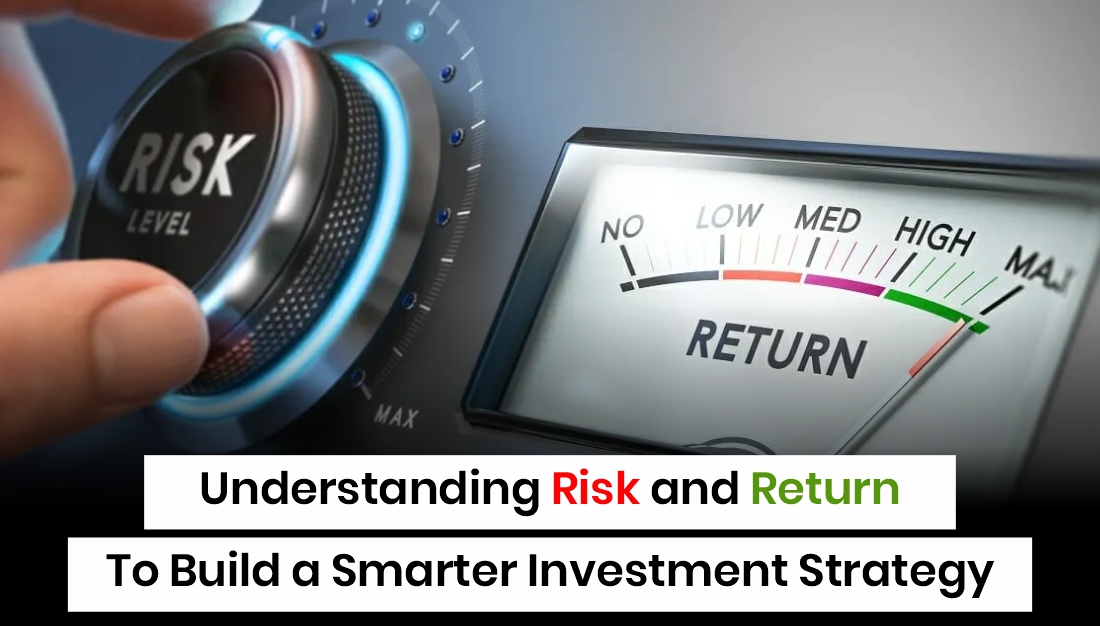
No investment exists without some amount of risk and returns. This relationship is important in order to make superior financial choices. Most investors risk too much or not at all to get more returns, therefore they do not grow. Investment risk means the likelihood of making a loss or not earning projected returns. Return is on the other hand the profit you get on the investment made. Typically, the greater the returns, the greater the risk and the less risk but more stable returns are found in the low-risk investments.
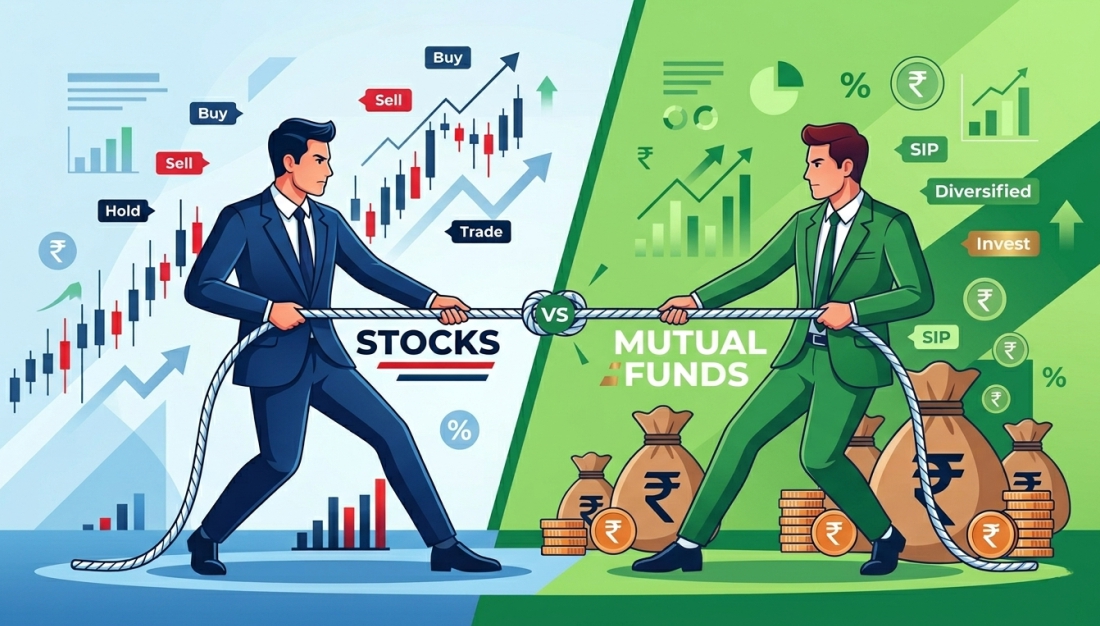
Mutual funds offer a moderate approach to risk and return management. Various kinds of mutual funds have various degrees of risks. As an example, equity funds allocate investments on stocks and have greater potential returns but are more volatile. Debt funds, however, are more stable but have low returns. The selection of an appropriate mutual fund is based on the financial objectives and degree of risk. Long term investments such as retirement will require you to take a lot of risk in investing in equity funds. In case you are interested in the short term, less risky ones can be an appropriate choice.
Investment in stock is more risky than in mutual funds as you are investing in specific companies. Your investment will be as good as the performance of your company. Although this has the potential of increasing returns, the company is likely to incur losses in case of underperformance. Diversification is important because of this reason. Rather than investing all the money in a single stock or other asset, diversifying your investments in various alternatives is a way of minimizing risks. In mutual funds, diversification comes naturally, and in stocks, you have to create it.
The second key consideration is your investment horizon. The more time you remain invested the higher your risk management probability. Temporary changes in the market can impact your portfolio, but in the long-run, markets are likely to increase.
Risk is also elevated by emotional decision making. During the recessions, most investors become terrified and offload their investments hence making losses. In contrast, hype-driven, and trend-driven investments can also be dangerous.
Risk management can be done with a disciplined approach. Frequent investing in SIPs, doing proper research as well as having a long term thinking can enhance your likelihood of getting higher returns.
One should realize that risk is an inevitable thing, but it can be addressed. This is not meant to avoid risk but to make calculated risk as per your financial objectives.
Finally, there is risk and reward. This intelligent decision making can allow you to develop a balanced investment that will enable you to increase your wealth in the long term.
risk and returninvestment strategydiversificationlong term investingstock market risk