Rebalancing Stocks and Mutual Funds in a Portfolio
Rebalancing Stocks and Mutual Funds in a Portfolio
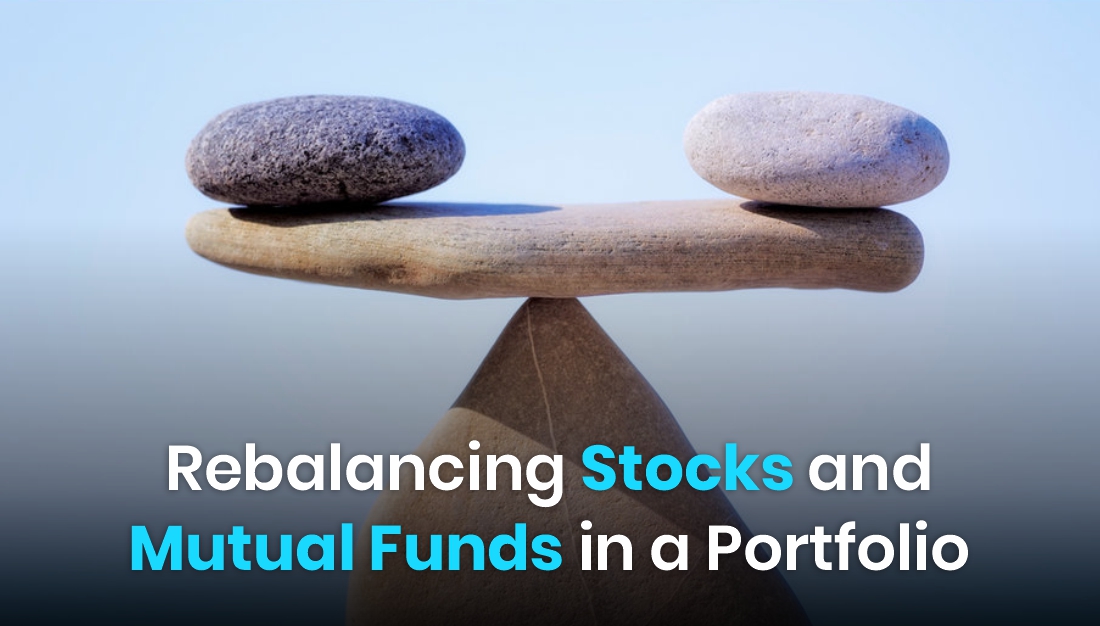
Creating an investment portfolio is just the beginning. Long-term success is only achieved by keeping it going in the long run. The strategy of portfolio rebalancing is very important but not always noticed as it assists investors to deal with risk and maximize returns. Rebalancing portfolio is the process of re-adjusting the weight of various assets in your portfolio. Market movements over time will cause the allocation of some assets to increase more than others, which will result in a change of your initial allocation. Rebalancing is necessary so as to give your portfolio a riskier look than you want.
To take a case in point, assuming that you had first set aside 60 percent in equities (stocks and equity mutual funds), and 40 percent in debt funds, a good bull market can cause your equity investments to go up to 75 percent. On the one hand, this can be considered as an advantage; on the other hand, it puts you in great danger. Rebalancing is used to restore your portfolio to its desired balance. This will make sure that your investment plan is consistent with your financial objectives and risk tolerance.
Rebalancing can be done in two major ways: time and threshold based. Time-based rebalancing entails examining your portfolio after a specific period of time i.e. once a year or once a semi-year. Rebalancing based on threshold is when asset allocation is outside a specific percentage. Mutual funds are important in rebalancing of the portfolios. An example of these would be hybrid funds, which automatically rebalance equity to debt and are therefore appropriate to those investors who would like to be hands-off. Conversely, direct stock holders have to proactively follow through on and diversify their portfolios.
Selection of what to sell and what to purchase is one of the issues of rebalancing. Emotional attachment usually makes investors reluctant to sell their high-performing assets. But, rebalancing with a lot of discipline means selling overperforming securities and reinvesting in underperforming ones. There should be considerations of tax implications as well. Frequent rebalancing can lead to capital gains tax, which may impact overall returns. As such, the frequency of rebalancing and tax efficiency should be balanced.
Dynamic rebalancing is another sophisticated approach, in which the allocation is changed depending on the market situation. An example would be to diminish equity exposure when the market is performing well and to increase the equity exposure when the market is experiencing a downturn. This involves experience and understanding of the market. Rebalancing is another way of maintaining diversification. Regular rebalancing of your portfolio will make sure that no one particular asset class is overbearing in terms of investment.
To summarize, portfolio rebalancing is a key to long-term investment success. It assists in risk management, discipline and maximizing returns. Both stocks and mutual funds are beneficial but a well-balanced portfolio will keep you on track to achieving your financial objectives.
portfolio rebalancing strategiesasset allocation Indiamutual funds portfolio managementstock portfolio balancinginvestment rebalancing techniqueslong term portfolio strategyrisk management investingdiversified portfolio Indiaequity allocation strategy